
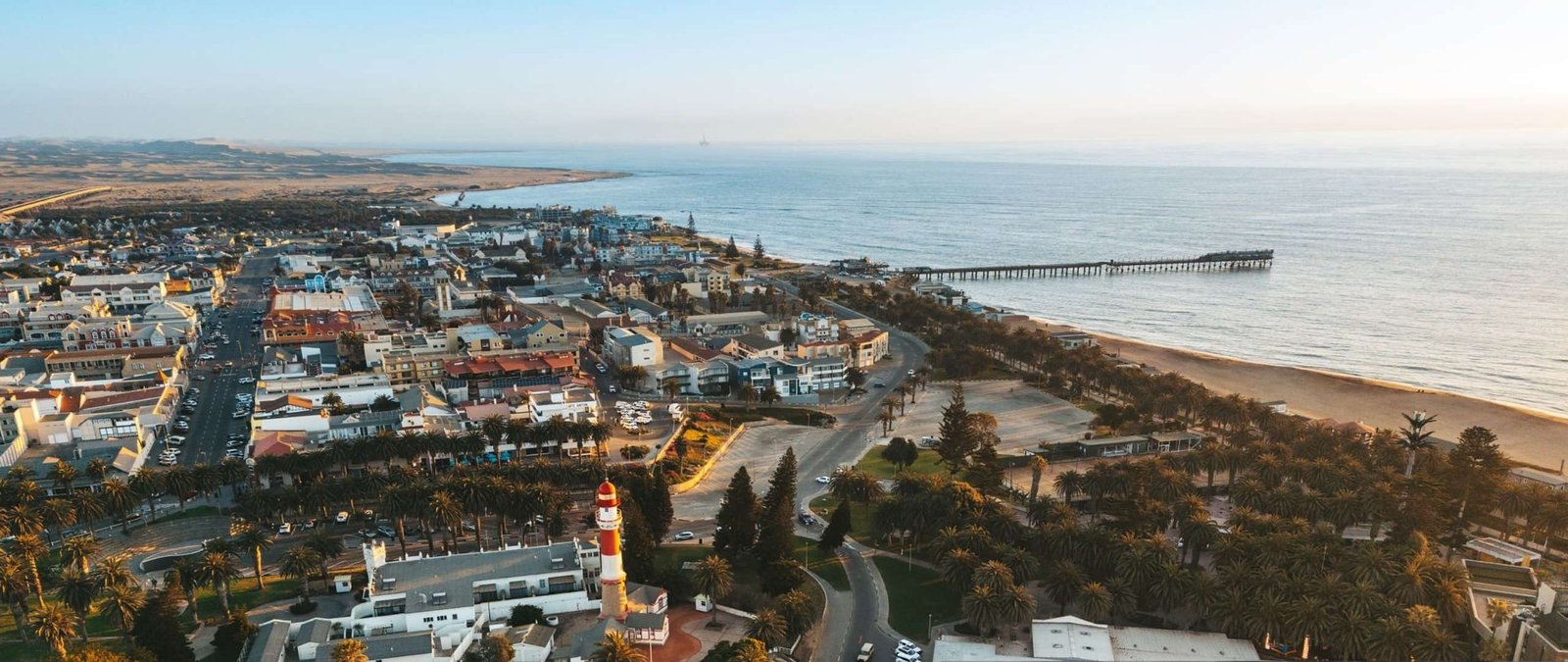
When people think of a holiday on Namibia's coast, Swakopmund is usually the first destination that comes to mind. With its beautiful beaches, fascinating architecture, vibrant café culture and endless list of activities, it's easy to see why thousands of visitors choose to visit Swakopmund every year.
But the history of Swakopmund is just as captivating as the town itself. What began as a small colonial settlement has grown into one of Southern Africa's most popular coastal destinations. Whether you're staying in self catering accommodation in Swakopmund for a weekend or planning an extended holiday, learning about the town's past adds another layer to your experience.
The early years
The history of Swakopmund began on 4 August 1892 when the town was officially founded by the German colonial administration of what was then German South West Africa. Germany needed its own harbour after Walvis Bay came under British control, and despite the challenging Atlantic surf, the mouth of the Swakop River was selected as the ideal location.
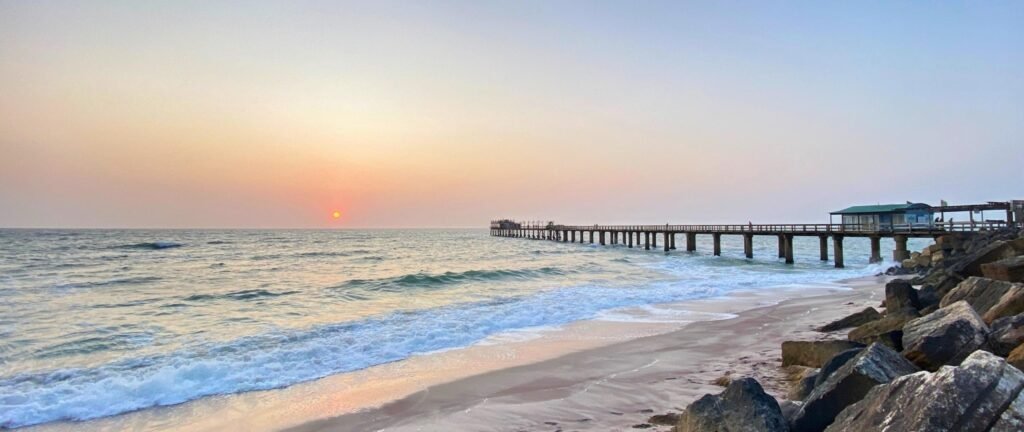
The first settlers arrived aboard the vessel Hyäne, and work quickly began on establishing the new town. One of the first major construction projects was the famous wooden jetty, which allowed cargo and passengers to be transferred from ships anchored offshore. Although rough seas often made unloading difficult, the jetty became the lifeline of the settlement and remains one of Swakopmund's most iconic landmarks today.
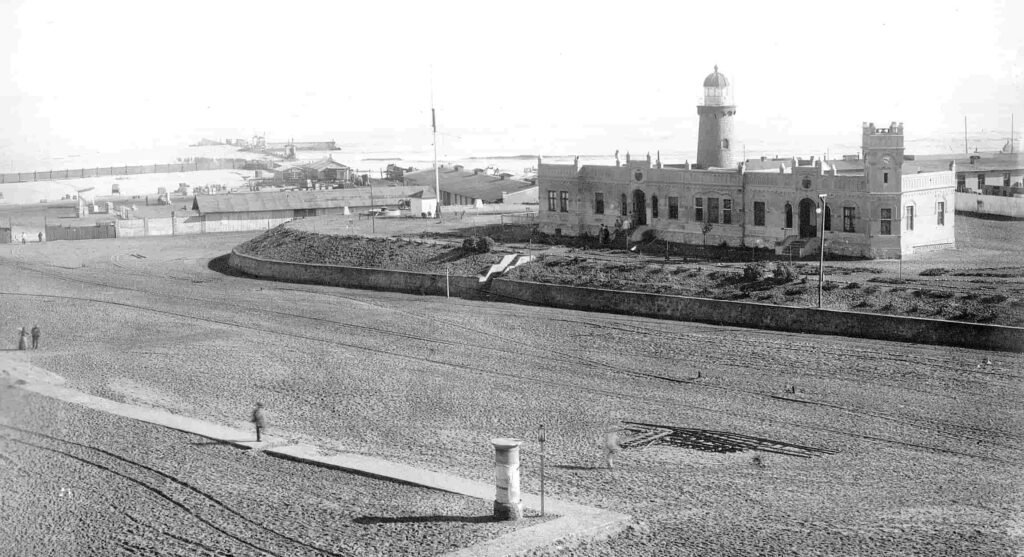
In its early years, Swakopmund was known primarily as an important port and transport hub. Goods arriving from Europe were landed here before being transported inland by ox wagons and later by railway. As the railway network expanded, Swakopmund became a vital gateway connecting the coast with the rest of the country.
Many of the elegant buildings that give the town its unique character today date back to this period. German-inspired churches, government buildings, hotels and private homes created a distinctly European atmosphere that still sets Swakopmund apart from any other town in Namibia. Visitors strolling through the town centre today are surrounded by reminders of this rich and fascinating history.
Becoming a vacation destination
Although Swakopmund was established as a working port, it gradually developed into one of Namibia's favourite holiday destinations.
One of the biggest attractions has always been its climate. Thanks to the cold Benguela Current, Swakopmund enjoys pleasantly mild temperatures throughout the year. For generations of Namibians living in the warmer inland regions, the cool sea breeze made the town the perfect escape during school holidays and the festive season.
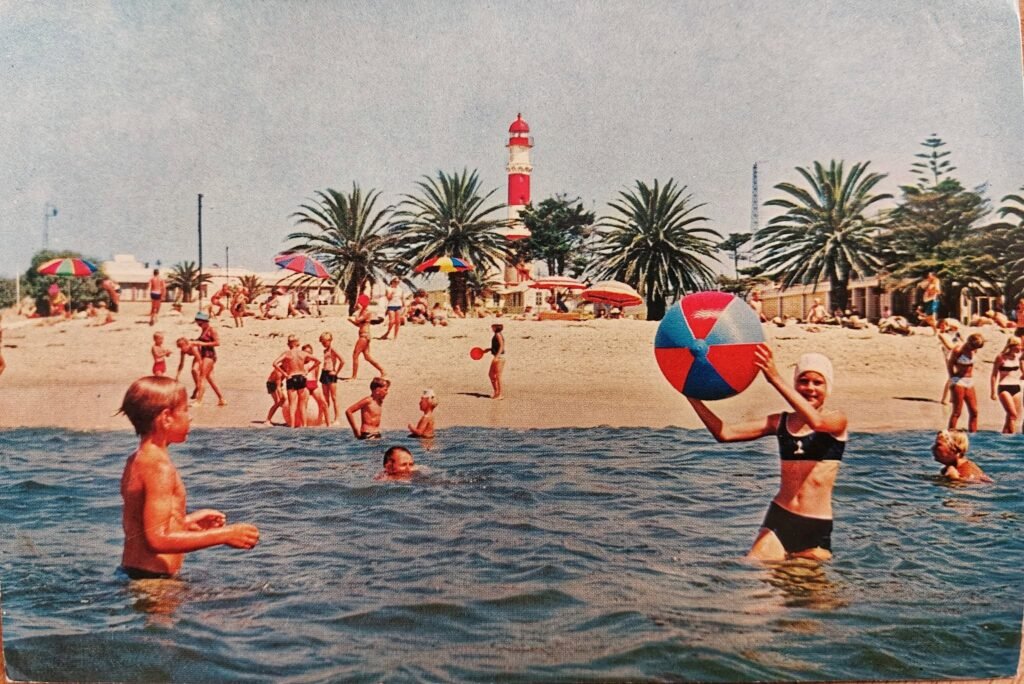
As road infrastructure improved during the mid-20th century, travelling to the coast became much easier. Families began making annual trips to Swakopmund, creating traditions that continue to this day. Holidaymakers stayed in guesthouses or rented self catering apartments, spent lazy afternoons on the beach, enjoyed fresh seafood and took leisurely walks along the promenade and Mole.
International tourism also flourished as travellers discovered Swakopmund's unique setting between the Atlantic Ocean and the world's oldest desert, the Namib Desert. Few places offer such contrasting scenery, where towering dunes meet the crashing waves of the ocean.
The town soon became famous for its wide range of activities. Today, many visitors come specifically for the adventure experiences, including quad biking, sandboarding, skydiving, desert tours, dolphin and seal cruises, fishing and scenic flights. Combined with its relaxed atmosphere, these attractions helped establish Swakopmund as one of the country's leading tourism destinations.
Swakopmund Today
Today, Swakopmund is recognised as Namibia's premier coastal holiday destination, welcoming visitors from around the world throughout the year.
The town offers something for every type of traveller. History enthusiasts can explore beautifully preserved colonial buildings, museums and the famous jetty, while outdoor lovers can discover the spectacular Namib Desert, enjoy ocean cruises or simply relax on the beach. Food lovers will appreciate the excellent restaurants, bakeries and cafés that blend German heritage with modern Namibian hospitality.
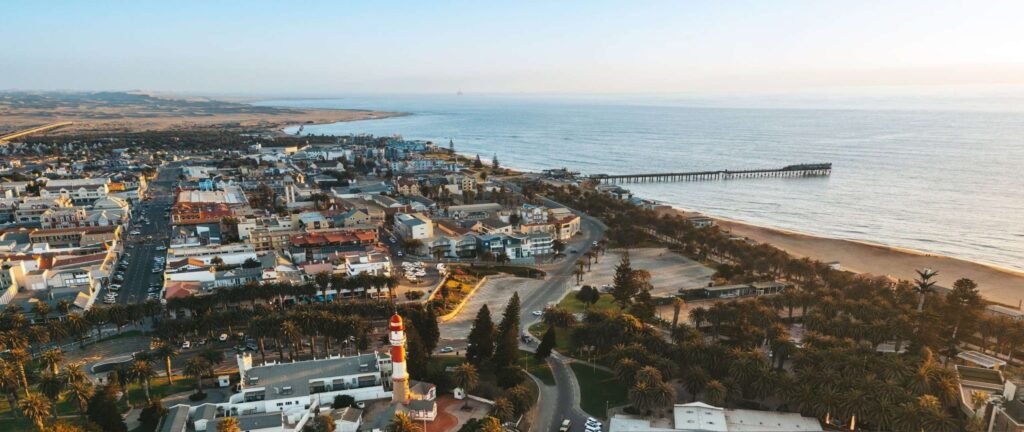
Swakopmund has also become a centre for art, culture and local craftsmanship. Boutique shops, galleries and markets showcase handmade jewellery, paintings and locally produced gifts, making it easy to take home a special reminder of your visit. Throughout the year, sporting events, festivals and community celebrations bring even more energy to the town.
Perhaps the greatest appeal of Swakopmund is its ability to offer both excitement and relaxation. One day can be filled with adventure activities, while the next is spent enjoying the peaceful coastline, browsing local shops or watching the Atlantic sunset from the jetty.
If you're planning to visit Swakopmund, choosing comfortable self catering accommodation gives you the freedom to experience the town at your own pace. Whether you're exploring its rich history, discovering its vibrant culture or enjoying the many things to do in Swakopmund, you'll quickly understand why so many visitors return year after year.
The history of Swakopmund is a surprising story of resilience, growth and transformation. From its beginnings as a small colonial harbour to its reputation today as Namibia's favourite seaside town, Swakopmund continues to charm visitors with its unique blend of heritage, adventure and coastal beauty. It's a destination where the past and present come together, creating unforgettable experiences for everyone who visits.